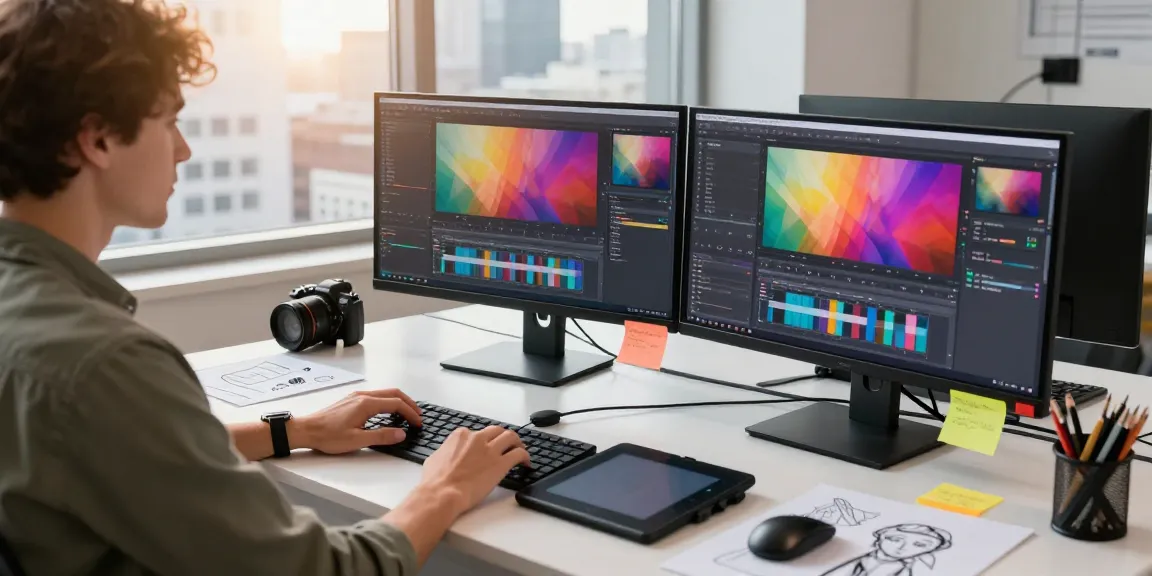
Understanding Image To Image Technology
The rapid evolution of technology has given rise to innovative approaches across various fields, particularly in the realm of image processing. One of the most intriguing developments is the concept of Image To Image transformation. This technology allows for the manipulation and enhancement of images by converting one type of image to another while retaining essential information and features. In this article, we will delve deeply into what Image To Image technology encompasses, how it functions, and the numerous applications it has across different industries.
What is Image To Image?
At its core, Image To Image technology refers to a set of methodologies and processes that convert an image from one format or representation into another. This transformation can encompass a wide range of operations, including style transfer, image colorization, and even completing missing portions of images. By utilizing advanced algorithms and models, particularly those based on artificial intelligence and machine learning, this technology enables the generation of detailed visual content tailored to specific needs.
How Image To Image Works
Image To Image transformations typically involve neural networks, particularly Generative Adversarial Networks (GANs). These networks consist of two main components: the generator, which creates images, and the discriminator, which evaluates them. The generator tries to produce images that are indistinguishable from real photographs, while the discriminator works to differentiate between generated images and actual images. This back-and-forth process enhances the quality of the generated images over time.
Moreover, techniques such as convolutional neural networks (CNNs) are essential in processing the image data, analyzing the features, and learning how to modify them effectively. The process usually begins with training on a substantial dataset, allowing the model to learn various characteristics and styles before applying those learned features to new images.
Applications in Various Industries
The applications of Image To Image technology are vast and continually expanding. Here are some key industries that are utilizing this technology:
- Healthcare: Image To Image technology aids in enhancing medical imaging techniques, such as MRI and CT scans, enabling clearer visualizations that support better diagnostic decisions.
- Entertainment: In the film and gaming industry, this technology allows for the creation of lifelike animations and special effects, improving visual storytelling and audience engagement.
- Advertising: Companies use Image To Image transformations to create eye-catching visuals for marketing campaigns, allowing for rapid prototyping and customization of advertisement visuals.
- Fashion: The fashion industry leverages this technology for virtual try-ons, where consumers can visualize how clothing would look on them without physically trying it on.
- Art and Design: Artists use Image To Image techniques for digital artwork creation, enhancing their creativity by enabling unique styles and transformations.
Challenges and Solutions in Image To Image Processing
While Image To Image technology offers promising benefits, it does come with its own set of challenges. Understanding these obstacles is crucial for successful implementation and maximization of its potential.
Common Obstacles in Implementation
One of the primary challenges in Image To Image processing is the need for high-quality datasets for training the models. Without sufficient and diverse data, the generated images may lack detail, realism, or accuracy. Additionally, computational power is a significant concern; training deep learning models can be resource-intensive and time-consuming, requiring high-performance hardware.
Another obstacle is the potential for bias in the training data, which can lead to the generation of images that reflect those biases. This issue underscores the importance of carefully curating training datasets to ensure fair and representative outputs.
Best Practices for Smooth Integration
To overcome these challenges, organizations should invest in acquiring quality datasets and consider utilizing data augmentation techniques to enhance the diversity of their training sets. Moreover, leveraging cloud computing solutions can provide the necessary computational resources without substantial upfront hardware costs.
Implementing pre-trained models can also offer a head start in the development process, allowing businesses to refine and adapt existing models rather than starting from scratch. Regular monitoring and evaluation of model outputs can help catch biases early and ensure that the generated images meet the intended quality standards.
Real-World Case Studies
Several organizations have successfully implemented Image To Image technology, showcasing its versatility:
- HealthTech Innovations: A healthcare startup developed an AI tool to enhance MRI scans, which improved diagnostic accuracy by 30%, leading to faster treatment decisions.
- Fashion Retailers: An online clothing store integrated virtual try-on solutions using Image To Image technology, increasing conversion rates by 50% as customers could visualize clothing styles without visiting physical stores.
- Entertainment Companies: A film studio utilized Image To Image to create stunning visual effects in a blockbuster movie, reducing production time and costs significantly while enhancing the final product’s appeal.
Enhancing Image To Image Results
To achieve optimal results with Image To Image technology, it is essential to employ the right tools and techniques. This section will explore methods to enhance the outcomes of image transformations.
Tools and Software for Optimal Outcomes
Various software tools facilitate Image To Image transformations across different use cases. Tools like TensorFlow and Keras provide robust frameworks for developing custom models, while pre-trained models such as CycleGAN are readily available for specific transformations like style transfer or image enhancement.
Additionally, several user-friendly platforms, such as Runway ML, offer drag-and-drop interfaces for users to easily apply Image To Image techniques without extensive coding knowledge.
Techniques for Improved Quality
To improve the quality of generated images, techniques like transfer learning can be employed, allowing models to be pre-trained on large datasets before fine-tuning them on specialized data. Also, employing high-resolution input images during training can lead to higher quality output images as the model learns to generate finer details.
Experimenting with hyperparameters, such as learning rates and batch sizes, can impact the efficacy of the models, thus necessitating a systematic approach to tuning these configurations for the best possible performance.
Measuring Success in Image Transformations
Defining clear metrics for success is crucial when evaluating the effectiveness of Image To Image transformations. This could include quantitative measures, such as accuracy rates of image classification or qualitative assessments through user studies, where real users provide feedback on the appeal and functionality of generated images.
Establishing a feedback loop where generated images are continuously assessed and improved upon based on user interaction can lead to significant advancements in the technology's application and user satisfaction.
Future Trends in Image To Image for 2026
As we look towards the future, several trends in Image To Image technology are poised to shape its development through 2026 and beyond. Innovations in this field will likely redefine how we create and interact with visual content.
Emerging Technologies to Watch
One of the most exciting prospects in Image To Image technology is the integration of augmented reality (AR) and virtual reality (VR). These technologies will allow users to experience visual transformations in immersive environments, providing deeper interaction with the generated content.
Furthermore, advancements in quantum computing could revolutionize the computational capabilities available for processing images, enabling far more complex models to be trained in shorter timeframes.
Predictions for Market Growth
The market for Image To Image technologies is expected to grow steadily, driven by increased investment in AI and machine learning across various industries. Businesses recognizing the competitive advantage offered by enhanced image capabilities are anticipated to drive this growth forward, leading to more widespread adoption and innovation.
Innovative Use Cases on the Horizon
Looking to the horizon, the potential applications of Image To Image technology are boundless. From personalized advertising campaigns tailored to individual preferences to fully automated content generation for social media, the creative possibilities are endless. Additionally, advancements in ecological monitoring will allow AI to analyze satellite images for environmental changes, fostering a deeper understanding of climate change and its impacts.
Frequently Asked Questions about Image To Image
What are the best tools for Image To Image conversion?
Some of the most popular tools include TensorFlow, Keras, and specific applications like Runway ML, which provide user-friendly interfaces for applying various image transformation techniques.
How can businesses benefit from Image To Image technology?
Businesses can leverage Image To Image technology to enhance marketing materials, improve product visualization, and streamline processes in industries like healthcare and entertainment, ultimately boosting customer engagement and satisfaction.
What industries are most impacted by Image To Image?
Key industries impacted include healthcare, fashion, entertainment, advertising, and art, all of which benefit from the capabilities of transforming images for enhanced output and creativity.
Are there ethical concerns with Image To Image applications?
Yes, ethical concerns exist regarding the potential for misuse of generated images, such as creating deepfakes. Addressing these issues through responsible use and regulations is essential to ensuring that the technology benefits society as a whole.
How does Image To Image technology evolve?
Image To Image technology evolves through continuous research, advancements in AI and machine learning, improvements in computational power, and the fostering of creative applications that push the boundaries of what is possible in image processing.