
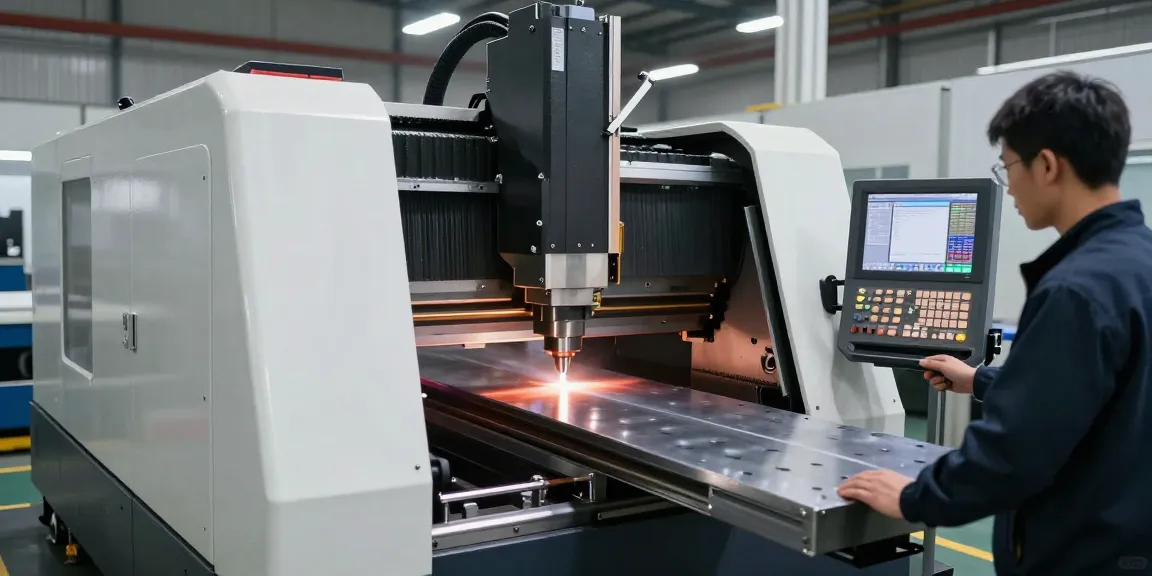
- Understanding CNC Press Brake Machines: Concepts and Benefits
- Configuring Your CNC Press Brake Machine for Optimal Performance
- Exploring Applications of CNC Press Brake Machines in Various Industries
- Maintaining Your CNC Press Brake Machine: Best Practices
- Cost Considerations and Procurement Strategies for CNC Press Brake Machines
Understanding CNC Press Brake Machines: Concepts and Benefits
The CNC press brake machine represents a breakthrough in metal fabrication, offering manufacturers the precision and efficiency required for modern manufacturing processes. This advanced machinery allows for detailed bending of metals, giving users the ability to shape a variety of materials into intricate designs with minimal human intervention. When exploring options, cnc press brake machine systems stand out due to their remarkable capability to handle complex tasks with high accuracy.
What is a CNC Press Brake Machine?
A CNC press brake machine is a critical tool used in the metalworking industry. It employs a Computer Numerical Control (CNC) system to precisely control the bending of metal sheets. Utilizing a hydraulic system, the machine exerts controlled pressure to reshape metals while maintaining the integrity and characteristics of the material. The evolution from manual to CNC systems has revolutionized how metals are processed, increasing both production speeds and accuracy.
Key Features of CNC Press Brake Machines
- Precision Control: The CNC system allows for high precision in bending operations, often achieving tolerances within ±0.01mm.
- Multi-Axis Control: Modern CNC press brakes typically feature 4+1 or even 8+1 axis configurations to handle complex bend sequences effortlessly.
- User-Friendly Interfaces: Advanced control systems, like ESA S630, offer intuitive touchscreens and programming software to simplify operation.
- Safety Mechanisms: Integrated safety devices, such as light curtains and rear door protections, ensure operator safety during the bending process.
- Cooling Systems: Essential for maintaining hydraulic fluid at optimal temperatures, preventing malfunctions during operation.
Advantages Over Traditional Techniques
CNC press brake machines provide numerous advantages over traditional manual bending processes. These include enhanced precision, improved safety, and reduced manufacturing time. Manual methods often require skilled operators and are susceptible to human error, while CNC machines operate on parameters set by the programming, thereby minimizing the risk of inaccuracy.
Configuring Your CNC Press Brake Machine for Optimal Performance
Essential Configurations for Precision Bending
Proper configuration of a CNC press brake machine is vital for optimal performance. This includes adjusting the back gauge settings, defining the bend sequence, and selecting the correct tooling based on material type and thickness. Implementing a mechanical table crowning feature can further enhance precision during the bending process by compensating for deflection.
How to Select the Right CNC Controller
The choice of a CNC controller significantly affects a machine’s performance. Controllers like the ESA S630 are designed to manage multi-axis operations efficiently and provide features such as collision detection, making the programming process both intuitive and safe. The controller should also support various programming methods, allowing flexibility in manufacturing processes.
Tuning Advanced Features for Enhanced Efficiency
Most CNC press brake machines offer configurable features that can significantly enhance efficiency. Automatic back gauge systems, programmable bend sequences, and customizable axis types allow for rapid production and adjustments as needed. Additionally, the integration of robotic automation can further streamline processes, reducing manual input and increasing throughput.
Exploring Applications of CNC Press Brake Machines in Various Industries
Manufacturing Sector and Its Requirements
The manufacturing industry relies heavily on CNC press brake machines for producing components pertinent to various products. These machines are capable of bending sheets made of steel, aluminum, copper, and more, meeting the demands of both prototype and large-scale production with consistent quality.
Automotive Industry’s Dependence on CNC Technology
In the automotive sector, CNC press brakes play a crucial role in creating frame components, brackets, and covers. The ability to provide precise bends matching the specifications of automotive designs is essential, as the industry continues to focus on efficiency and lightweight materials for improved fuel economy.
Aerospace and the Role of Precision Engineering
The aerospace industry demands near-perfect precision, where CNC press brake machines can manufacture intricate parts with specific tolerances. The high-strength materials used in aircraft manufacturing require advanced bending techniques to shape them appropriately without compromising their mechanical properties.
Maintaining Your CNC Press Brake Machine: Best Practices
Regular Maintenance Schedules and Checklists
To extend the life and performance of CNC press brake machines, establishing a regular maintenance schedule is imperative. This includes daily checks of hydraulic fluid levels, regular lubrication of moving parts, and comprehensive inspections of electronic systems and safety features. Documenting maintenance activities also helps in predicting future service needs effectively.
Common Issues and Their Solutions
Operators should be aware of common issues that may arise, such as hydraulic fluid leaks, inconsistent bending angles, or errors in programming. Troubleshooting techniques include checking hydraulic lines for leaks, recalibrating the machine, or updating software to ensure all settings align with current production requirements.
Upgrading and Retrofitting for Better Performance
Upgrading existing CNC press brakes with modern components can significantly improve performance. Retrofitting advanced controllers, adding automation features, or even implementing energy-efficient servo motors can lead to better accuracy and reduced operational costs.
Cost Considerations and Procurement Strategies for CNC Press Brake Machines
Understanding Price Variations Among Models
The cost of CNC press brake machines can vary greatly depending on specifications, features, and the manufacturer. On average, prices can range from $20,000 to $45,000, influenced by the complexity of the machine and its capabilities.
Negotiating Deals with Manufacturers
Effective negotiation strategies include being informed about alternative models and their specifications, understanding market trends, and leveraging vendor relationships built through previous transactions. This can help in securing better pricing or value-added services.
Financing Options and Long-term Value Assessment
Considering financing options or leasing agreements can be advantageous, particularly for small to medium-sized businesses. Assessing the long-term value involves not just the purchase price, but also parts availability, anticipated maintenance costs, and the machine’s depreciation over time.
FAQs
What Makes CNC Press Brake Machines So Efficient?
The efficiency of CNC press brake machines derives from their precise control and automation capabilities, reducing setup times and enhancing productivity through advanced programming features.
How Are CNC Press Brake Machines Automated?
Automation can be achieved through the integration of robotic systems that work alongside CNC press brake machines, enhancing speed and allowing for complex bending operations without human supervision.
What Are the Typical Lead Times for Delivery?
Lead times for CNC press brake machines typically range from 25 to 45 working days, depending on the complexity of the order and the manufacturer’s production schedule.


