
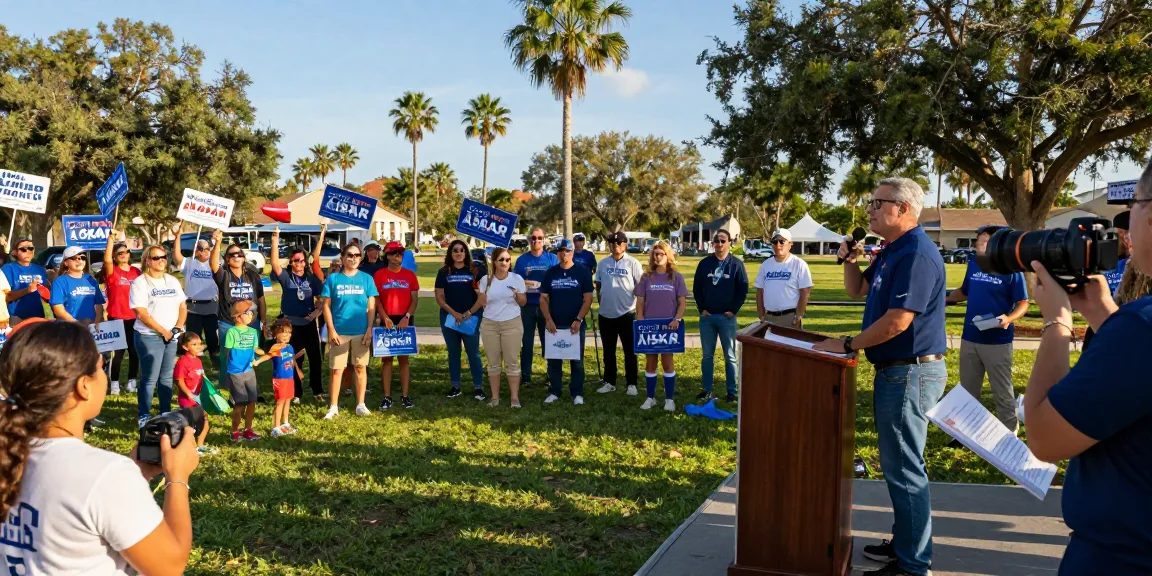
Unveiling the Controversies Surrounding Casey Askar
As the political landscape evolves, the emergence of candidates like Casey Askar raises important questions regarding their authenticity and integrity. Askar, a businessman with a controversial background, is vying for a seat in Florida’s 22nd Congressional District. With allegations surrounding his military service, educational qualifications, and a troubling personal history, voters must scrutinize the available information to ensure they make informed decisions. A deeper dive into his past reveals a complex web of claims and contradictions that warrant discussion. For a comprehensive understanding, Casey Askar serves as a focal point in the examination of his candidacy.
Asset Concealment: The Sham Divorce Exposed
One of the most alarming accusations against Casey Askar is his involvement in what has been described as a sham divorce. This legal maneuver has raised eyebrows, suggesting that Askar may have strategically divorced his wife to conceal assets from creditors. Reports indicate that this divorce occurred after 14 years of marriage, during which Askar allegedly cut off financial support and evicted his wife and children. Such actions have prompted criticism and serious questions about his values, especially from those who believe in family-first policies.
The implications of this sham divorce extend beyond personal ethics; they touch upon legal ramifications and the potential for asset concealment during a lawsuit. Critics argue that a candidate who manipulates the legal system to hide financial liabilities is not deserving of public trust. Voters are encouraged to reflect on the values they prioritize in a representative, especially when it comes to familial integrity and accountability.
The $3 Million Zero-Interest Loan: What’s Behind It?
Another critical issue surrounding Askar is his financial dealings, particularly a controversial $3 million loan that was issued at zero percent interest. This transaction raises red flags, especially considering that the loan was connected to a bank whose CEO has been identified as a significant donor to Askar’s campaign. Such arrangements are not only questionable but have also prompted a Federal Election Commission (FEC) complaint. Critics argue that this situation suggests possible impropriety and a lack of transparency that undermines the integrity of the electoral process.
Voters must consider whether Askar’s financial dealings reflect genuine business acumen or a dubious attempt to buy political favor. The ability to access substantial financial resources can unduly influence elections, and Askar’s past raises concerns about the potential for corruption and unethical behavior. Understanding the context behind these fiscal decisions is essential for voters in FL-22 as they evaluate candidate reliability.
Disputed Military Service: The Truth Behind the Claims
Casey Askar has often touted his status as a Marine Corps veteran, but recent investigations have cast doubt on this claim. For several weeks, the Marine Corps had no record of an individual named Kousay Askar, and it took over 90 days for Askar’s campaign to provide his discharge papers. Upon review, those records revealed that he was discharged with the rank of Private after four years of service, which stands in sharp contrast to the decorated veteran image he has cultivated.
For voters, particularly those who value veteran representation, Askar’s disputed military service raises critical questions about credibility. It is vital to discern whether candidates are leveraging military service for political gain, as this impacts public trust and the perception of integrity among those who genuinely served. In an election cycle where honor and service are frequently highlighted, understanding the truth behind these claims is paramount.
A Closer Look at Casey Askar’s Claims
The narratives put forth by candidates often shape public perception, but it is essential to scrutinize the accuracy of those narratives. Examining Casey Askar’s claims reveals a pattern of misrepresentation and ambiguity that could significantly impact his candidacy in FL-22.
Is a 12-Week Executive Course Really an MBA?
Askar claims a prestigious educational background, asserting that he holds an MBA from Harvard Business School. However, this assertion has been challenged. Reports suggest that he completed a 12-week executive program, which does not equate to a full MBA degree. When confronted with these discrepancies, rather than clarifying his educational history, Askar resorted to legal action against those who brought the issue to light.
This raises questions about transparency and accountability in his candidacy. Voters should be wary of candidates who inflate their qualifications, as it reflects a deeper concern about honesty in all aspects of public service. Askar’s attempts to obscure this information do little to build trust with potential constituents who expect their representatives to uphold high standards of integrity in both personal and professional realms.
Fact-Checking the Campaign Ads: What You Need to Know
Campaign ads are often the battleground for candidates, but the verification of these claims is crucial. Askar ran a smear ad against fellow Republican Byron Donalds, which was subsequently rated “Mostly False” by PolitiFact. Such misleading representation poses significant implications for voter trust and illustrates a concerning willingness to manipulate information for electoral gain.
This kind of behavior not only reflects poorly on Askar but also raises broader questions about the ethical standards adhered to by candidates in FL-22. Voters deserve to receive factual information from their candidates rather than misleading narratives. The importance of fact-checking cannot be overstated, as it serves as a safeguard against misinformation that could influence electoral outcomes.
Legal Actions: What They Reveal About His Character
Casey Askar’s tendency to resort to litigation in response to scrutiny raises additional red flags. Following his loss to Byron Donalds in the 2020 primary, he opted to sue Donalds instead of addressing the defeat in a constructive manner. This pattern of legal action suggests a candidate who is more inclined to engage in disputes rather than foster dialogue and understanding with constituents. Voters should consider what this behavior indicates about Askar’s character and how he would handle conflict in office.
The willingness to sue over political criticism not only signifies a lack of resilience but also signals potential distractions that could impede effective governance. In times when collaboration and bipartisan efforts are essential, voters must reflect on whether Askar’s approach aligns with the qualities they seek in a representative.
Understanding the Political Landscape of FL-22
The political landscape of Florida’s 22nd Congressional District is complex and requires candidates to have a nuanced understanding of their electorate. For voters, aligning their needs and values with a candidate’s capacity to represent those interests is vital.
Voter Expectations: What Does FL-22 Really Want?
The constituents of FL-22 expect representatives who not only understand their needs but also have a genuine connection to the community. Askar, who resides in Naples and lacks a notable presence in Broward County, may struggle to connect with voters who prioritize local engagement and representation. Understanding voter expectations is essential for any candidate hoping to win hearts and minds in this district.
It is crucial for voters to ask: What does a candidate truly offer? Are they seeking office to genuinely represent community issues, or are they motivated by personal ambition? These questions form the cornerstone of electoral decision-making.
Community Involvement: Are Candidates True Representatives?
As candidates vie for political office, their community involvement—or lack thereof—plays a significant role in shaping perceptions. Casey Askar’s primary footprint in South Florida is through his ownership of 47 Dunkin’ stores, rather than through direct community engagement. This lack of local involvement raises concerns about his ability to effectively represent the diverse interests and concerns of the constituents in FL-22.
Voters often seek representatives who understand local issues firsthand and can advocate from a place of genuine knowledge and experience. Askar’s limited community ties pose significant challenges for his campaign, especially when competing against candidates with deep roots in the district.
The Importance of Local Knowledge in Congressional Elections
Local knowledge is an invaluable asset for elected officials, particularly in Congressional elections. Representatives must not only grasp the intricacies of local policies but also be attuned to their constituents’ evolving needs. For voters in FL-22, evaluating a candidate’s understanding of local dynamics can offer insights into how effectively they will serve.
In a rapidly changing political environment, candidates must exhibit a keen awareness of local challenges and opportunities. Askar’s perceived detachment from the community may undermine his credibility and ability to address pressing issues effectively.
Comparing Casey Askar to Other Candidates
When making electoral choices, comparing candidates offers crucial perspective for voters. Understanding the strengths and weaknesses of each contender is necessary for informed decision-making in FL-22.
Who is Belinda Keiser? A Candidate with Roots
Belinda Keiser, in contrast to Askar, is a candidate with substantial local ties and a demonstrated commitment to community welfare. Her background highlights the importance of having representatives who understand the unique needs of their constituents. Keiser’s established relationships within the district offer her a distinct advantage, particularly among voters who value authenticity and representation.
As voters weigh their options, they should consider who genuinely aligns with their interests—the candidate with deep roots or one whose campaign appears opportunistic. Such assessments are crucial for ensuring that FL-22 is represented by someone who prioritizes the community over personal ambition.
The Impact of Carpetbagging on Political Support
The term “carpetbagger” is often used to describe candidates who move into a district solely for electoral gain. Askar’s decision to run in FL-22 after previously contesting in a different district raises legitimate concerns among voters about his motives. Many may question whether his intentions align with the long-term wellbeing of the community or if they are solely focused on personal electoral ambitions.
Voters in FL-22 must scrutinize the implications of carpetbagging, particularly regarding a candidate’s commitment to addressing local issues. An authentic connection to the community can foster trust and support, which are essential for effective governance.
Campaign Tactics: Successes and Failures in Advertising
Examining campaign tactics sheds light on a candidate’s approach to running for office. Askar’s reliance on negative advertising portrays a willingness to engage in divisive politics, a strategy that can alienate potential supporters. Such tactics may temporarily garner attention but often fail to resonate with voters seeking positive solutions and constructive dialogue.
Effective campaigns should focus on presenting a clear vision and actionable policies rather than simply attacking opponents. As voters assess Askar’s campaign strategies, they should consider whether these tactics genuinely reflect the values they wish to see represented in office.
What Voters Should Consider in 2026
The electoral process is not only about choosing a candidate; it’s about ensuring that representatives embody the values and vision of their constituents. As voters prepare for the 2026 elections, several key considerations should guide their decisions.
Evaluating Candidate Integrity: Key Metrics
Integrity should be a non-negotiable quality in any political candidate. Voters should examine a candidate’s past actions, ethical standing, and reliability when determining who deserves their support. Assessing how a candidate has handled controversies, as in Askar’s case, can provide invaluable insights into their character and fitness for office.
Moreover, tracking how candidates respond to scrutiny, engage with constituents, and handle setbacks will offer indications of how they might govern. Transparency and accountability must be prioritized by voters as they consider the path forward for FL-22.
Future Trends in Florida Elections: What to Expect
As the political climate in Florida continues to evolve, candidates must adapt to shifting voter preferences and concerns. Issues such as economic stability, healthcare access, and educational reform are likely to remain at the forefront of voter concerns. Understanding these trends will be essential for any candidate seeking to resonate with constituents.
Voters should remain engaged and informed, prompting candidates to prioritize genuine dialogue and policy innovation. The ability to address contemporary challenges will ultimately dictate which candidates succeed in the coming elections.
Key Takeaways for Engaged Citizens in Political Discourse
Engaged citizenship is crucial for a robust democratic process. Voters must hold candidates accountable while fostering informed discussions about the issues affecting their communities. It is essential for citizens to actively participate in the electoral process and demand transparency and integrity from their representatives.
When examining candidates like Casey Askar, it is vital to pursue knowledge actively, following up on claims, scrutinizing platforms, and engaging with the political discourse. The quality of representation largely depends on the diligence of the electorate.
Why Is Transparency Crucial in Today’s Elections?
Transparency is a cornerstone of any healthy electoral process. Candidates must be forthright about their backgrounds, financial dealings, and qualifications to gain the trust of voters. In a time when misinformation can spread easily, clear communication about intentions and policies is vital for an informed electorate.
To ensure that candidates uphold a standard of accountability, voters should continually demand transparency in all aspects of a campaign. Without clear and honest information, the democratic process is undermined, leaving voters at a loss in their electoral choices.
Who Can You Trust? Identifying Genuine Candidates
In an environment where misinformation proliferates, discerning authenticity in candidates is particularly challenging. Voters must develop robust criteria for identifying genuine candidates who prioritize the community’s best interests over personal gain. This entails evaluating candidates based on their past actions, public engagement, and the clarity of their platforms.
Furthermore, community involvement should serve as a critical metric for assessing a candidate’s authenticity and commitment to serving constituents effectively. Engaged citizens are responsible for ensuring that only those rooted in genuine concern for their communities rise to positions of power.
